
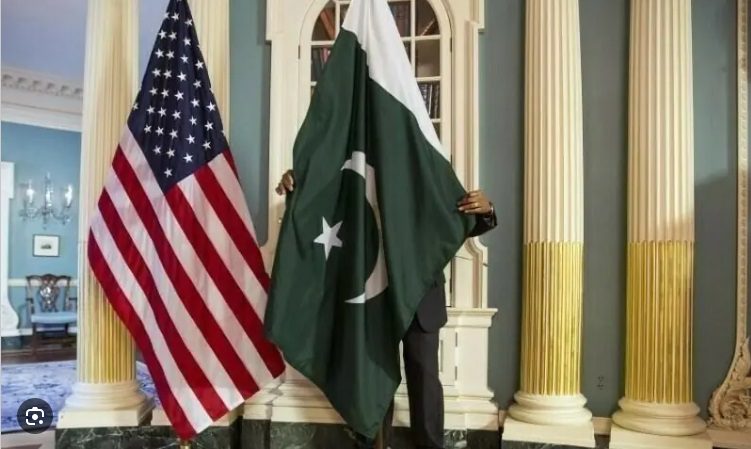
In 2026, travel between the United States and Pakistan is entering a noticeably more open and structured phase, shaped by updated policy guidance and improved diplomatic coordination. The latest advisory reflects a shift toward smoother visa processing, clearer safety communication, and a more balanced view of travel conditions in Pakistan.
For many travelers—especially professionals, journalists, and overseas visitors—this update signals easier planning and reduced uncertainty. Faster US visa processing and more transparent entry requirements are helping remove long-standing delays that often discouraged travel.
At the same time, coverage by international journalists such as Caitlin Doornbos highlights how perceptions of Pakistan are gradually evolving, with more attention on verified conditions, regional safety improvements, and practical travel guidance rather than broad restrictions.
This update is important for anyone planning to visit, work, or explore opportunities in Pakistan in 2026, as it reflects a more stable and better-informed travel landscape supported by both governments and global reporting standards.
🇺🇸✈️ Pakistan Travel Update 2026: Why More Americans Are Now Visiting Islamabad Despite Old Warnings
A surprising shift is reshaping international travel in 2026 — and Pakistan is suddenly back on the radar for many U.S. citizens.
While the U.S. Department of State still maintains a Level 3 “Reconsider Travel” advisory for Pakistan, real-world travel patterns are telling a more complex story. In recent months, increasing numbers of American journalists, researchers, business visitors, and official delegations have been arriving in Islamabad, taking part in structured events, diplomatic discussions, and media engagements.
🌍 A New Phase in U.S.–Pakistan Engagement
Despite earlier travel restrictions and security concerns, Pakistan’s capital city is seeing renewed international activity. Islamabad, in particular, is becoming a controlled hub for:
- International conferences and policy dialogues
- Media and journalism visits
- Academic and research collaborations
- Business and technology exchanges
This evolving environment reflects ongoing diplomatic engagement and carefully managed travel access, especially in major urban centers where security infrastructure is stronger.
🛂 What U.S. Travelers Are Experiencing in 2026
For approved travelers entering Pakistan under valid visas, the experience is increasingly structured and monitored for safety. Visitors are advised to:
- Stay within approved travel zones (Islamabad, Lahore, Karachi)
- Follow embassy-issued security guidance
- Avoid restricted or high-risk regions
- Register with STEP (Smart Traveler Enrollment Program)
Despite ongoing caution notices, many travelers report that official visits are proceeding under organized security protocols and guided movements.
⚠️ Important Reality Check
The U.S. government still highlights risks including:
- Regional security threats in certain provinces
- Restrictions on movement for embassy staff
- Possibility of demonstrations or sudden disruptions
However, these warnings coexist with active diplomatic presence and controlled international engagement, especially in Islamabad.
✨ The Bigger Picture in 2026
Rather than a full travel reopening or removal of advisories, 2026 reflects a balanced travel reality:
👉 Increased engagement in major cities
👉 Continued official caution from U.S. authorities
👉 Structured access for verified visitors
👉 Growing media and institutional presence
Pakistan is not “fully open” — but it is also no longer completely avoided. Instead, it is entering a phase of selective, permission-based international travel.
🧭 Bottom Line
For U.S. citizens, Pakistan travel in 2026 is no longer a simple yes-or-no decision. It is now a carefully managed, permission-based experience, with Islamabad emerging as the primary gateway for diplomacy, media, and professional visits.