


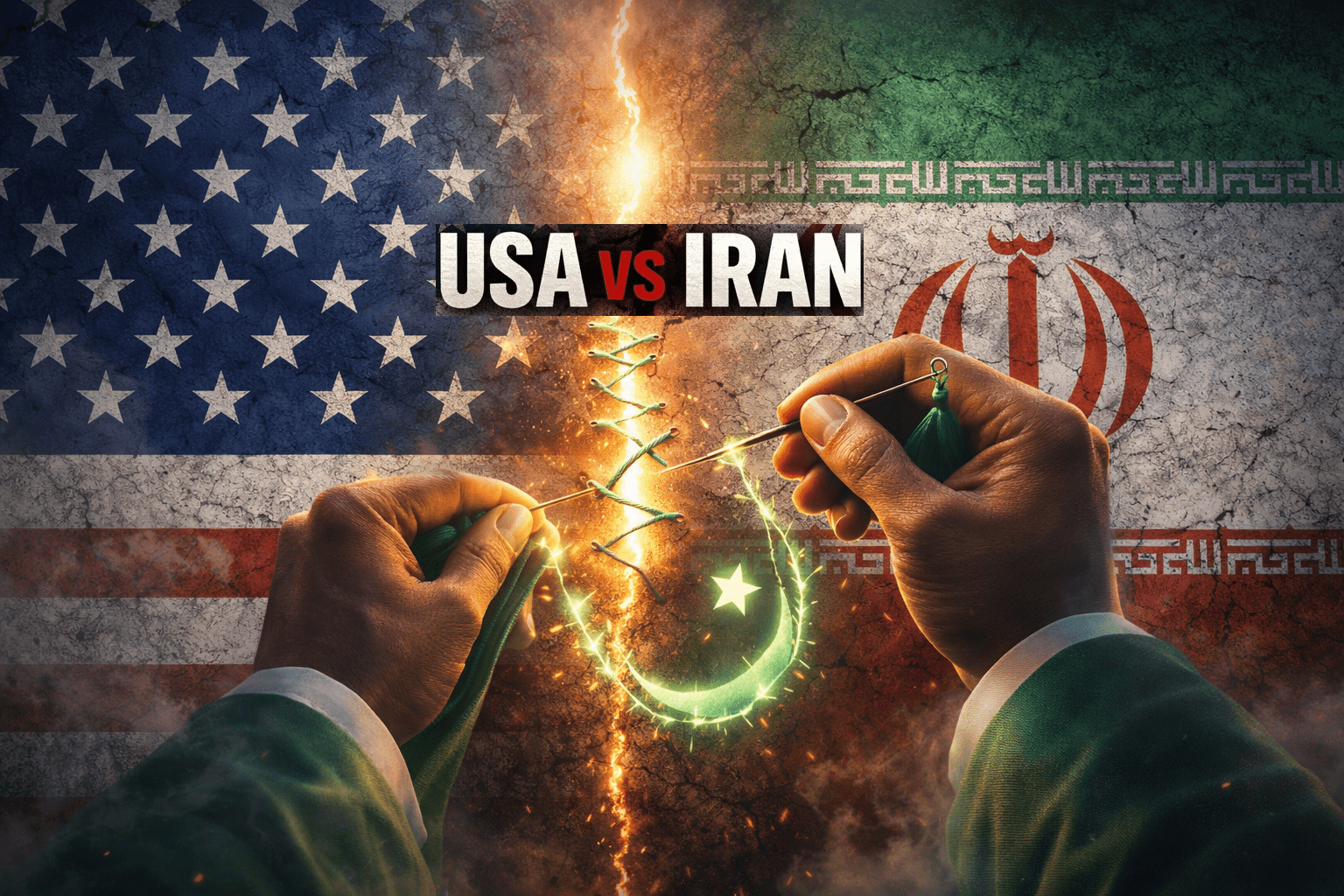
In a world where tensions between the United States and Iran continue to shape global uncertainty, the question is no longer about power—but about peace.
History shows us that even the most intense conflicts—from the Cuban Missile Crisis to the Camp David Accords—have been resolved through diplomacy, mediation, and mutual understanding.
This article explores how war can be avoided through:
- Strategic negotiations
- Third-party mediation
- Economic cooperation
- Recognizing the cost of prolonged conflict
It also highlights the potential role of Pakistan as a bridge-builder, capable of facilitating dialogue and promoting regional stability.
💡 Peace is no longer an ideal—it is a necessity for survival, stability, and the future of humanity.
When Silence Speaks Louder Than War: A Reflective Path to Peace Between Nations
There was a time when words felt like a crown—crafted with pride, worn with certainty. Today, they feel like questions, wandering without answers. Am I writing for truth, or for recognition? Is this search for peace between nations also a reflection of the unrest within the human soul? Perhaps both. And yet, if words can prevent even one war, then even a restless heart has purpose.
Understanding War—and Its Endings
Wars do not end merely when weapons fall silent. They end when intentions transform, when fear yields to dialogue, and when power bows to wisdom. History reveals that peace is rarely accidental—it is negotiated, nurtured, and often painfully earned.
To understand how a potential conflict between the
United States
and
Iran
could be peacefully resolved, we must reflect on proven frameworks that have shaped global peace before.
1. Diplomatic Negotiations: The Backbone of Peace
Formal Treaties That Changed History
- The Peace of Westphalia established sovereignty and ended decades of religious war in Europe.
- The Treaty of Portsmouth, mediated by
Theodore Roosevelt, ended the
Russo-Japanese War. - The Camp David Accords reshaped Middle Eastern diplomacy.
Application to USA–Iran
A structured negotiation framework should include:
- Neutral venue talks
- Incremental trust-building agreements
- Sanctions relief in exchange for compliance
- Regional security assurances
Peace begins when both sides agree to talk—not to win, but to understand.
2. Third-Party Mediation: The Bridge Between Rivals
Successful Mediation Models
- The United Nations played a decisive role during the
Suez Crisis. - The Good Friday Agreement ended decades of sectarian violence.
- The Dayton Accords brought stability to the Balkans.
Pakistan’s Role as Mediator
Pakistan can play a unique role:
- Trusted by both Muslim-majority nations and Western alliances
- Experienced in diplomatic balancing
- Strategically positioned in regional geopolitics
Pakistan could:
- Host peace dialogues
- Facilitate backchannel diplomacy
- Coordinate with organizations like the UN and the
Organization of Islamic Cooperation
3. The “Ripeness” Moment: When War Becomes Too Costly
Conflict often ends when both sides realize that victory is an illusion.
Historical Lessons
- The Cuban Missile Crisis showed how close the world came to nuclear disaster—yet diplomacy prevailed.
- The Vietnam War ended partly due to internal dissent and rising costs.
Modern Implication
- Prolonged tension risks economic collapse, regional instability, and global insecurity
- Recognizing mutual loss can trigger a negotiation window
4. Economic Incentives: Turning Conflict into Cooperation
Economic Peace Models
- The European Union transformed historic enemies into partners.
- The Marshall Plan rebuilt Europe and prevented further war.
Opportunities for USA–Iran
- Trade normalization
- Energy cooperation
- Infrastructure investment
Pakistan can contribute by:
- Acting as a trade corridor
- Promoting regional economic integration through the
China–Pakistan Economic Corridor (CPEC)
5. Internal Reform and Policy Shifts
Sometimes peace begins within.
Examples of Peaceful Transitions
Relevance Today
- Reassess foreign policy priorities
- Address domestic pressures
- Shift from military rhetoric to diplomatic language
Why Peace is Not Optional—But Essential
1. Human Survival
War today is not fought with swords—but with weapons that can erase civilizations.
2. Economic Stability
Conflict disrupts global markets, oil supplies, and trade routes.
3. Moral Responsibility
“Peace is not the absence of war, but the presence of justice.”
4. Spiritual Reflection
Peace aligns with divine justice, not human ego.
Conclusion: The Courage to Choose Peace
Ending a war between the United States and Iran is not impossible. History proves that even the deepest conflicts can be resolved through:
- Negotiation
- Mediation
- Economic cooperation
- Mutual realization of loss
And nations like Pakistan can serve as bridges where walls once stood.
In the end, peace is not signed on paper—it is written in intention.